Höganäs is a clay town. Coal mining began here in 1797, and the fireclay dug up alongside the coal became a second industry: salt-glazed stoneware, made in Höganäs since 1835.
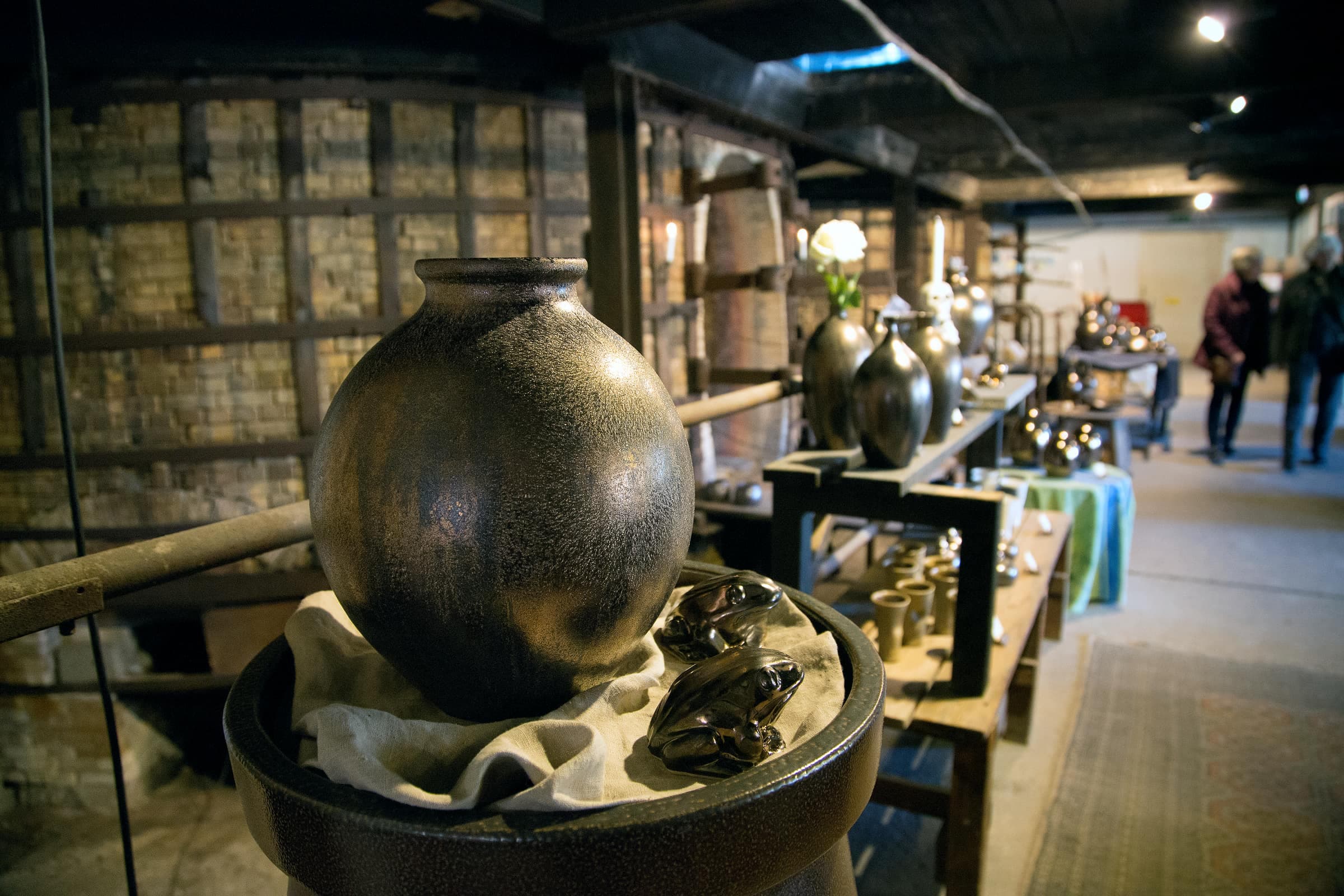
Candlelit stoneware through the arched entrance of an old kiln at Salthallarna, Höganäs
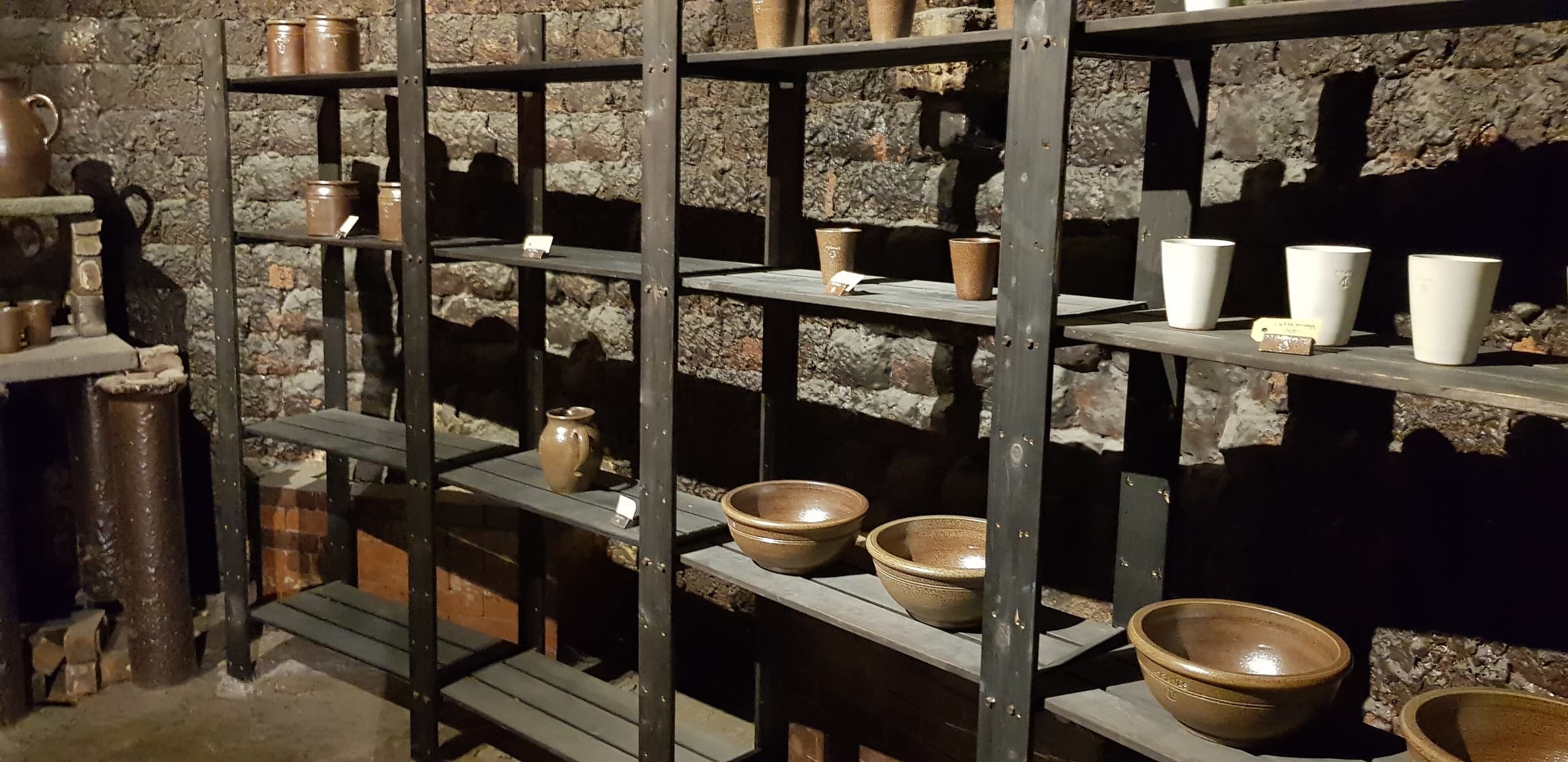
Photo: Carin Bäckström · CC BY-SA 4.0Salt-glazed stoneware beside the old kiln at Salthallarna, Höganäs
Photo: Johan Wessman / News Oresund · CC BY 2.0An old kiln at Salthallarna, Höganäs, with historic photos of pottery workers
Photo: Carin Bäckström · CC BY-SA 4.0From jars to tableware
The brown salt-glazed jars known as Höganäskrus were once a staple of Swedish pantries. Höganäs Keramik grew from a small workshop founded in 1909 into the Nordic region's largest stoneware maker; the brand lives on, but the Höganäs factory closed in 2008.
Where to see and buy
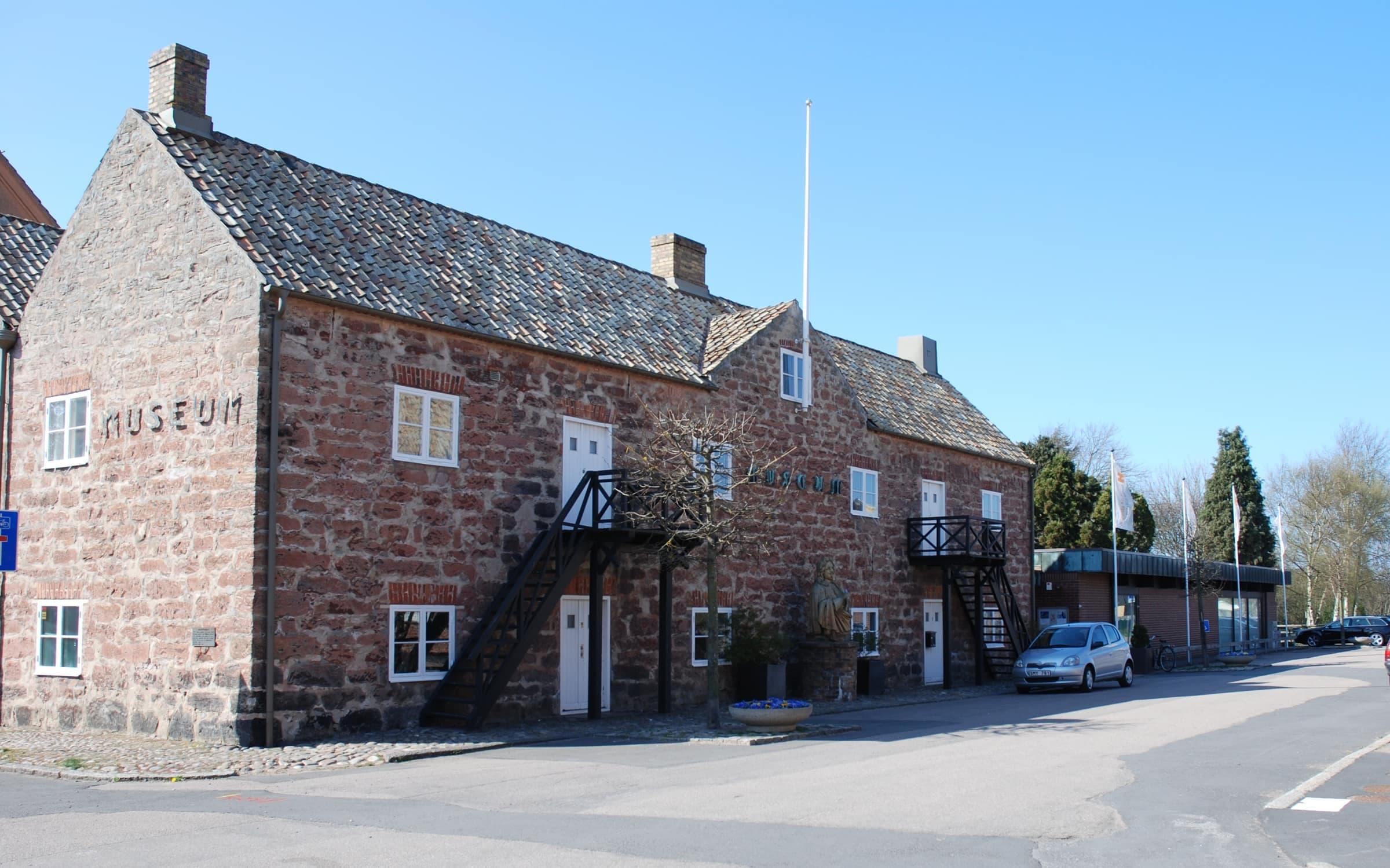
- KKAM Höganästhe town museum and ceramic center combined: historic collections, new exhibitions and open workshops
- Saltglaserat at Salthallarnapotters still make salt-glazed ware in the old works on Bruksgatan, and you can step inside the kiln they fired until 2004
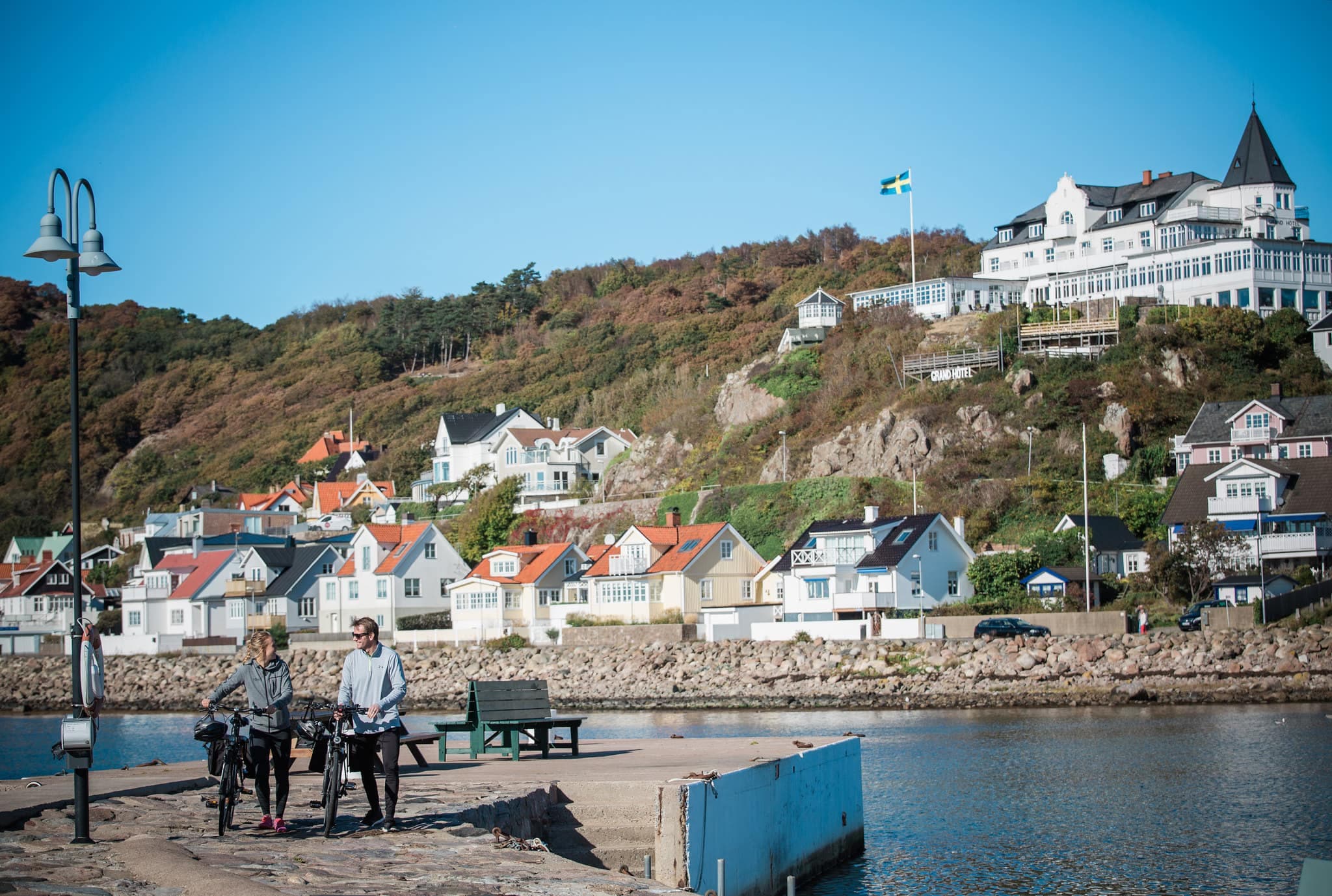
- StudiosMölle Krukmakeri near Mölle harbor pairs pottery with a café; Frida Nilsson throws tableware in Väsby outside Höganäs