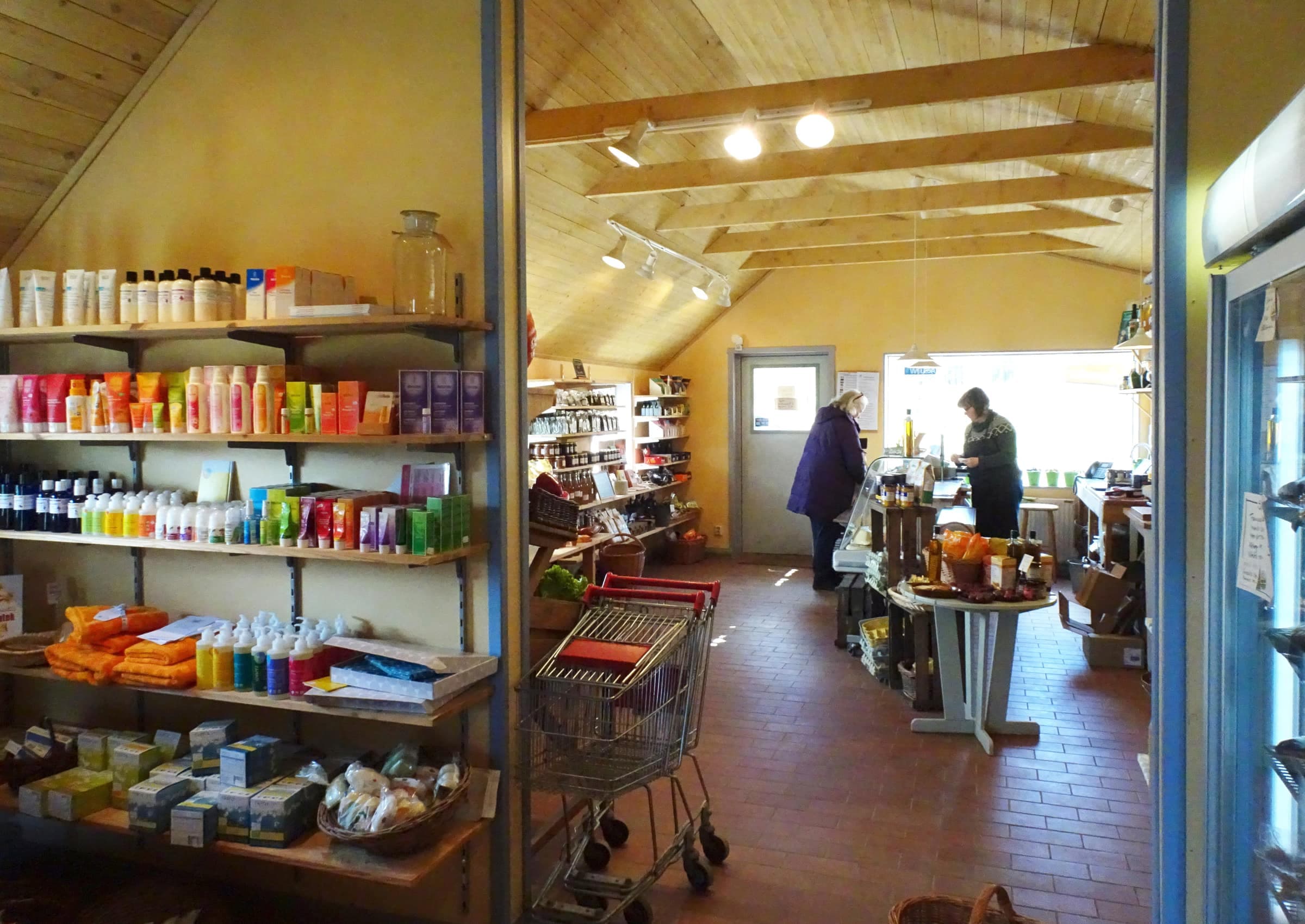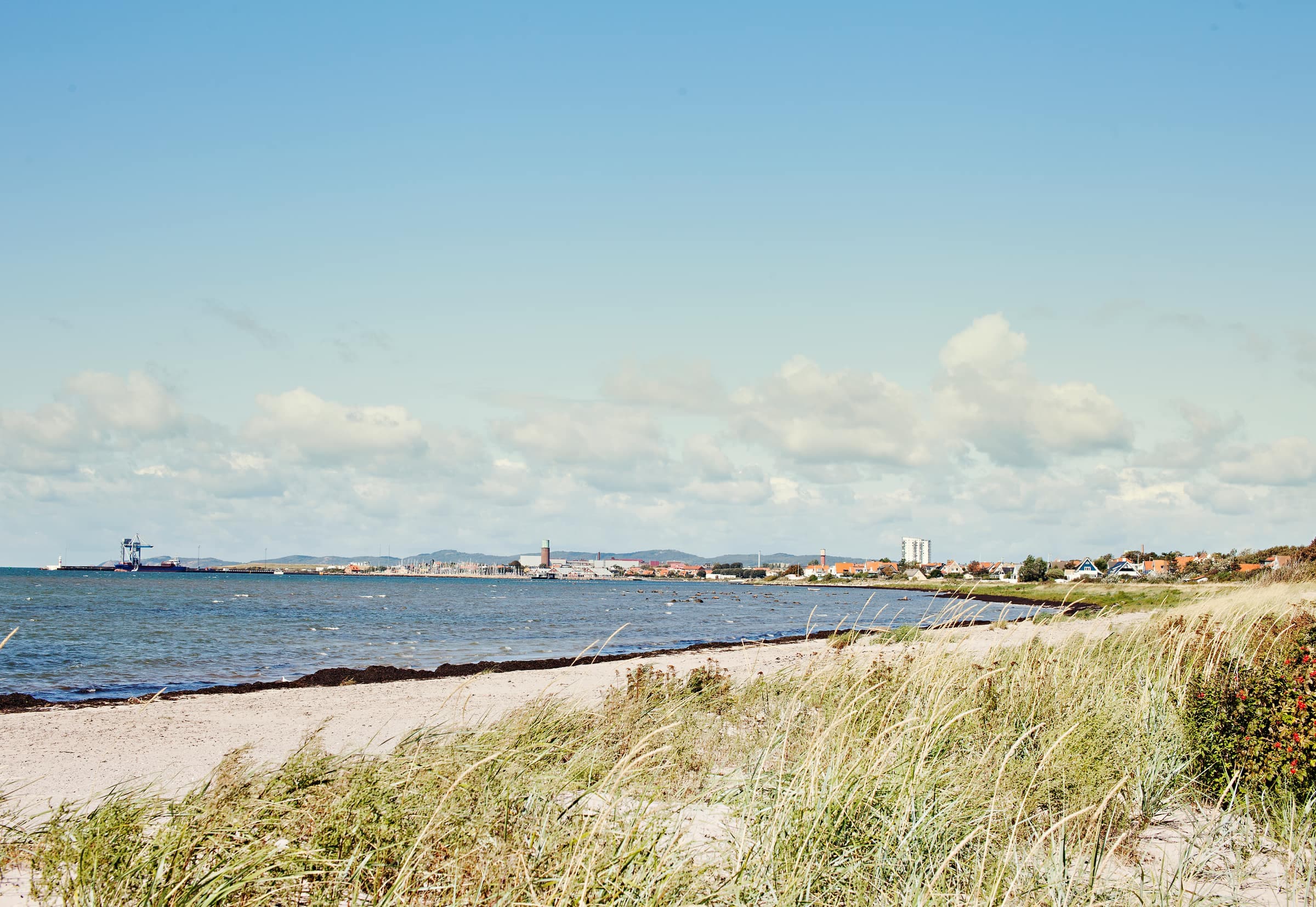
Höganäs is the peninsula's only town and its practical hub: the buses from Helsingborg terminate here, and it has the supermarkets, pharmacies and places that stay open all year.
Westerholmska huset, built in 1802, one of Höganäs's oldest houses
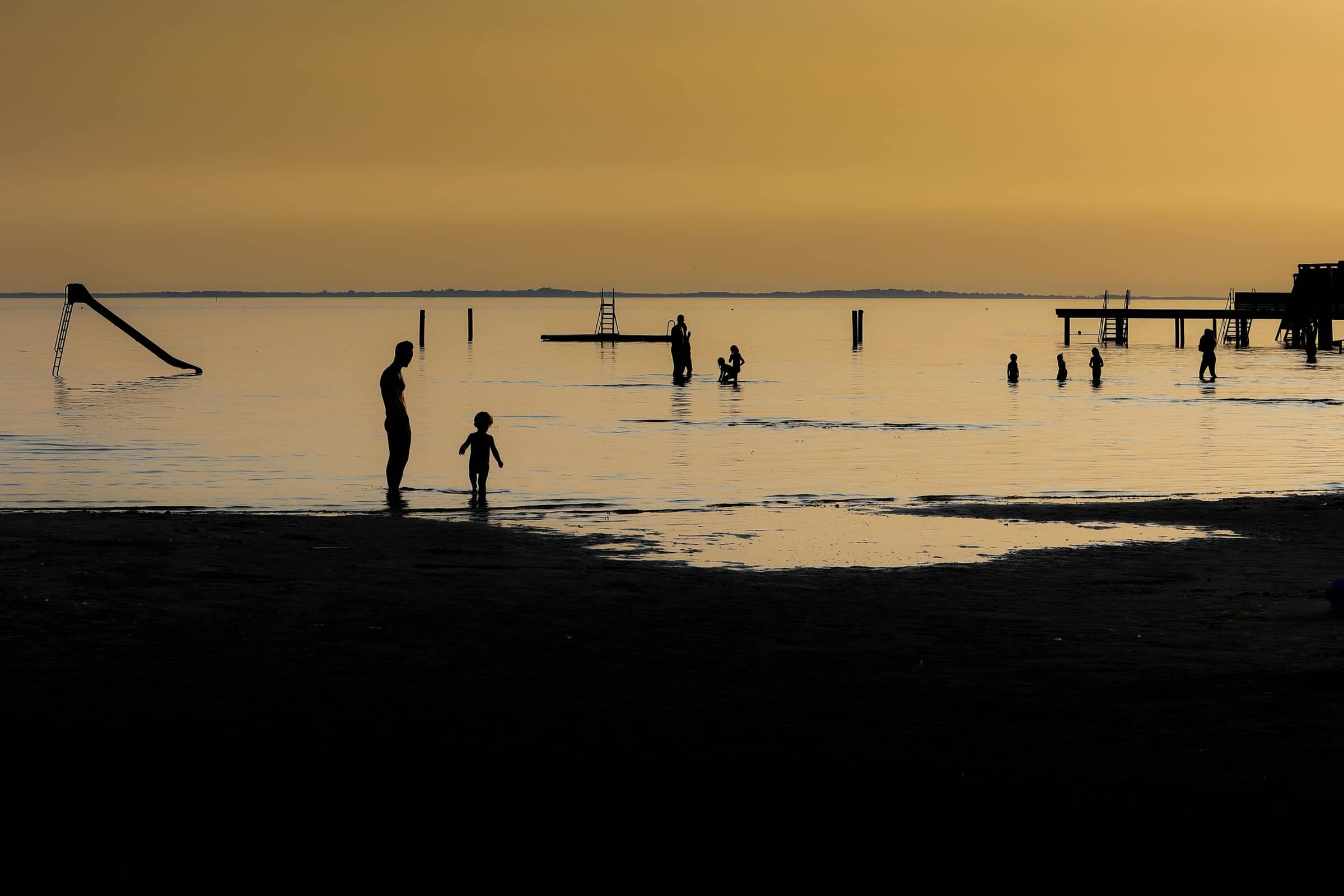
Photo: Joakimlindblad · CC BY-SA 4.0Evening at Kvickbadet in Höganäs
Photo: Björn Lindell · CC BY-SA 2.0Central Höganäs from above, with the church tower
Photo: David Castor (dcastor) · Public domainCoal, clay and stoneware
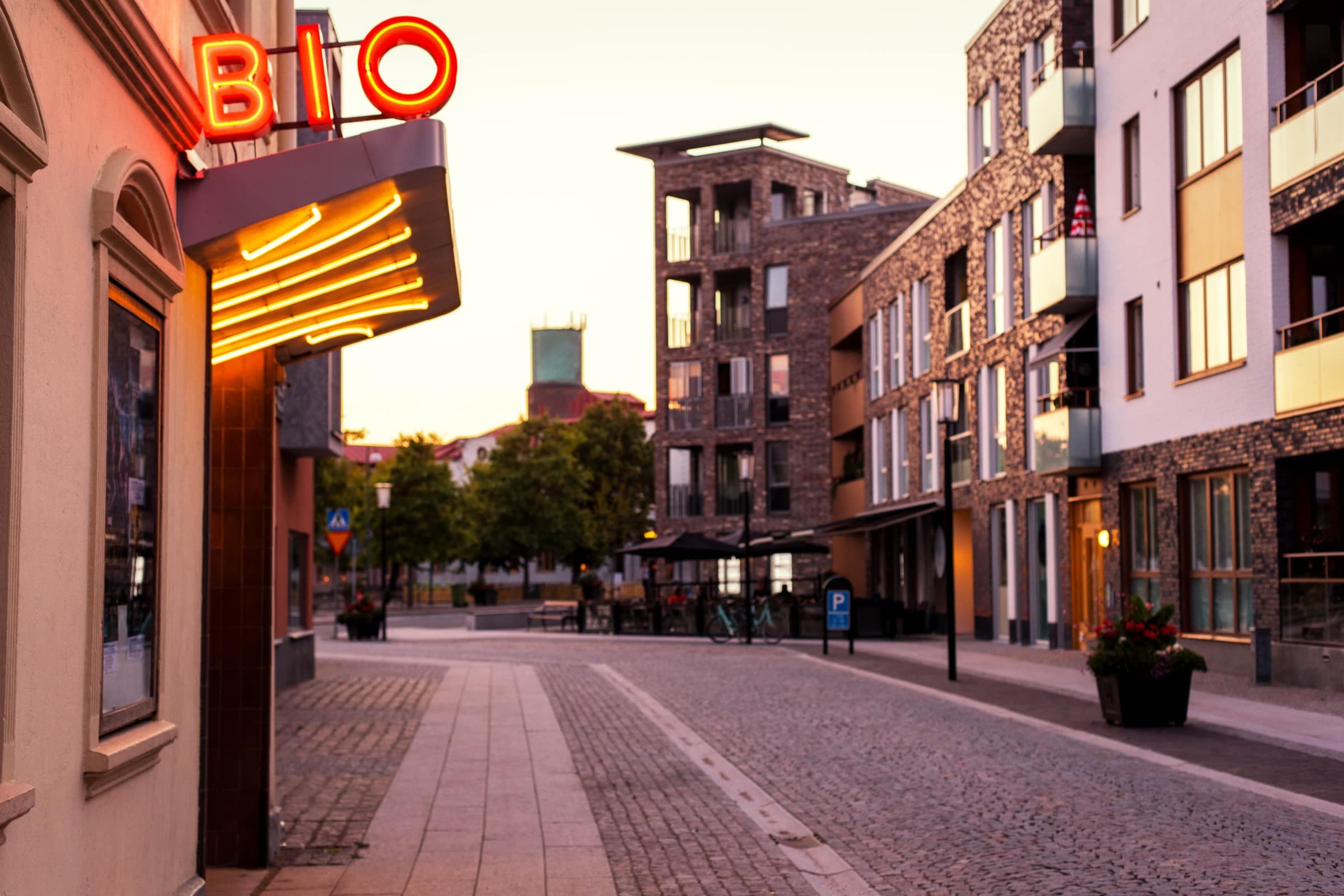
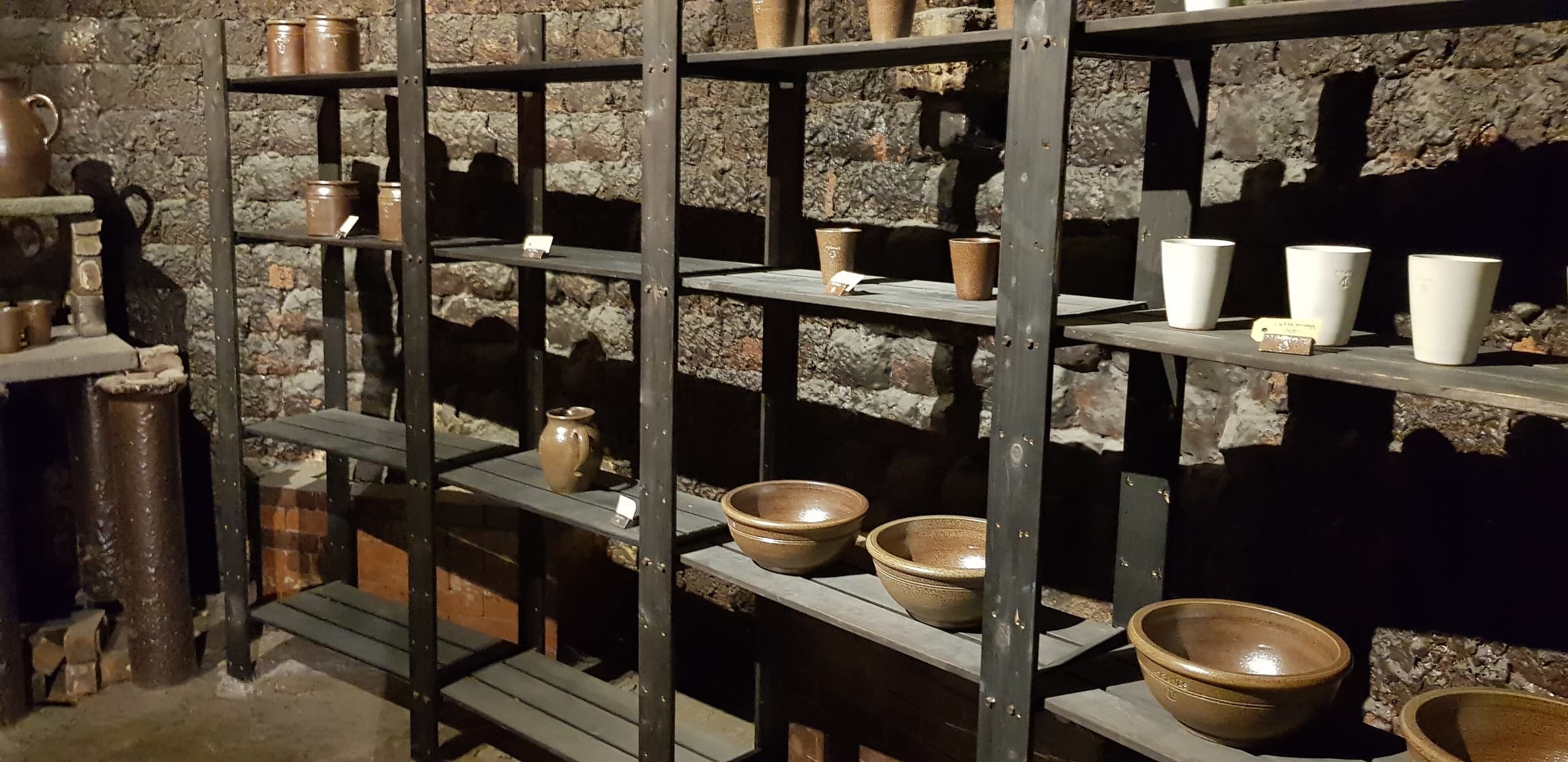
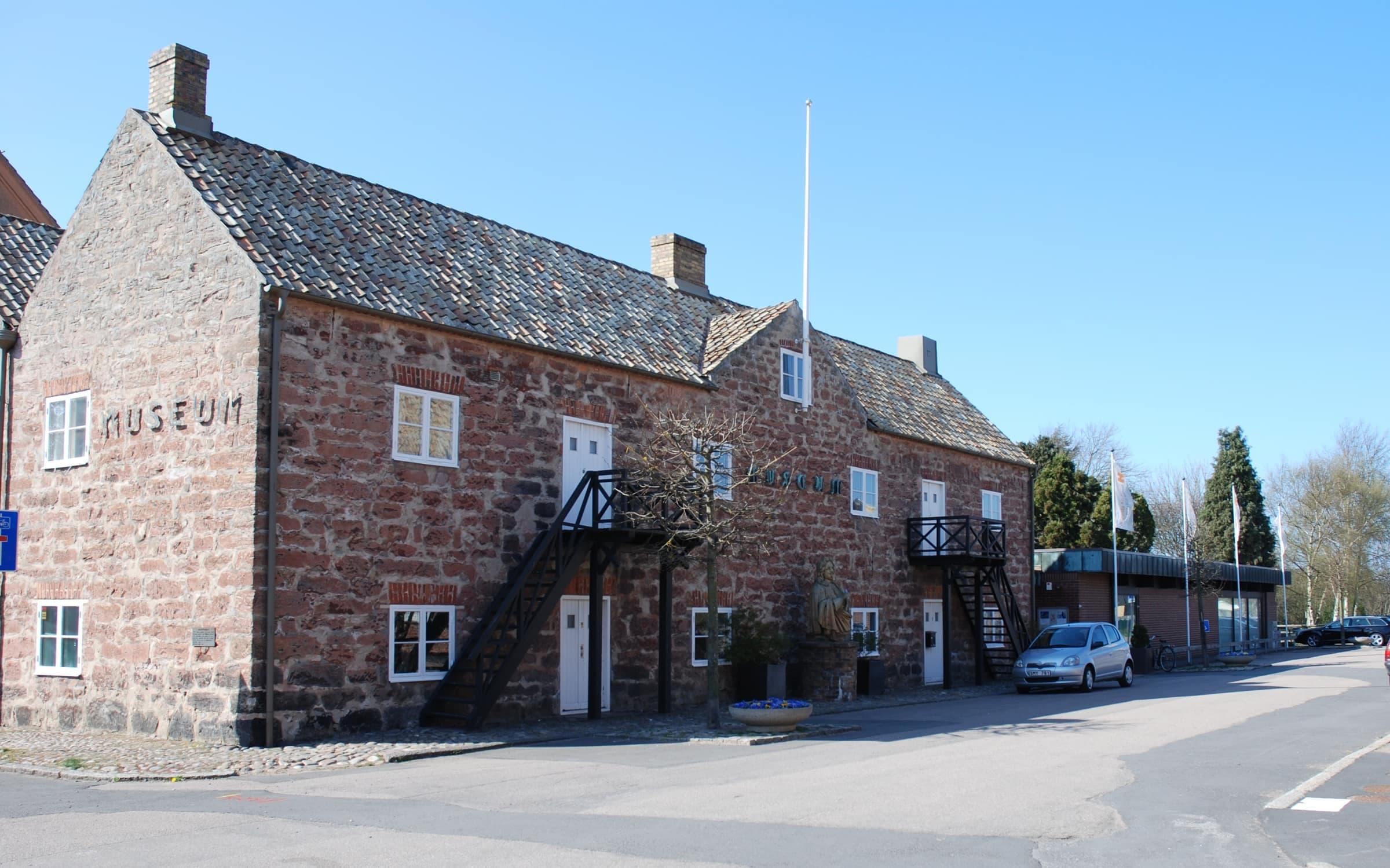
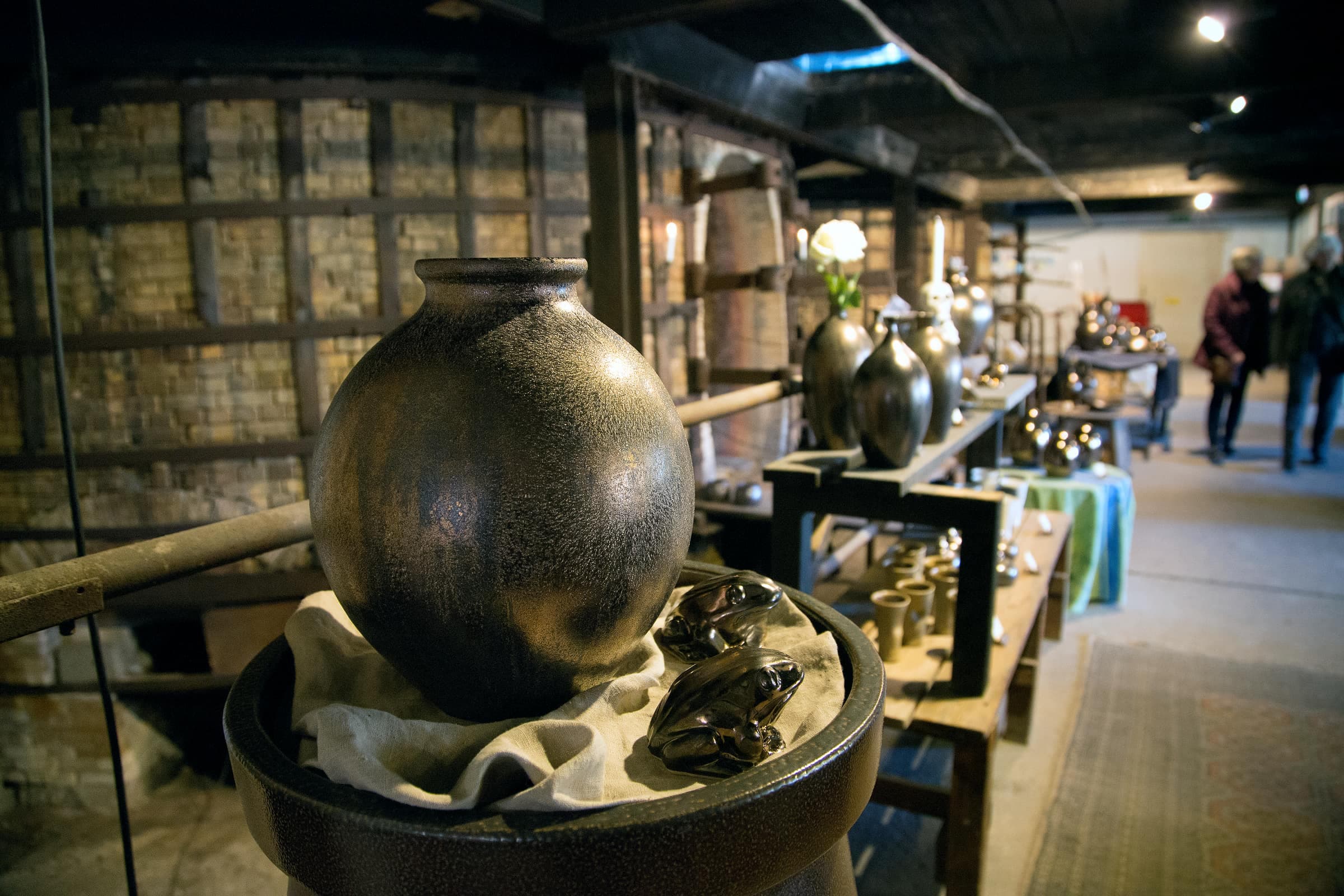
First recorded as a fishing village in 1488, Höganäs grew around coal mining, which took off in 1797 and lasted until the last shaft closed in 1961. Clay from the mines fed a ceramics industry, and the brown salt-glazed Höganäs stoneware jars are still made here. Höganäs Museum covers the mines, the ceramics and local history, and the Saga cinema, which showed its first film in 1899, is one of the oldest in Sweden.
Staying here
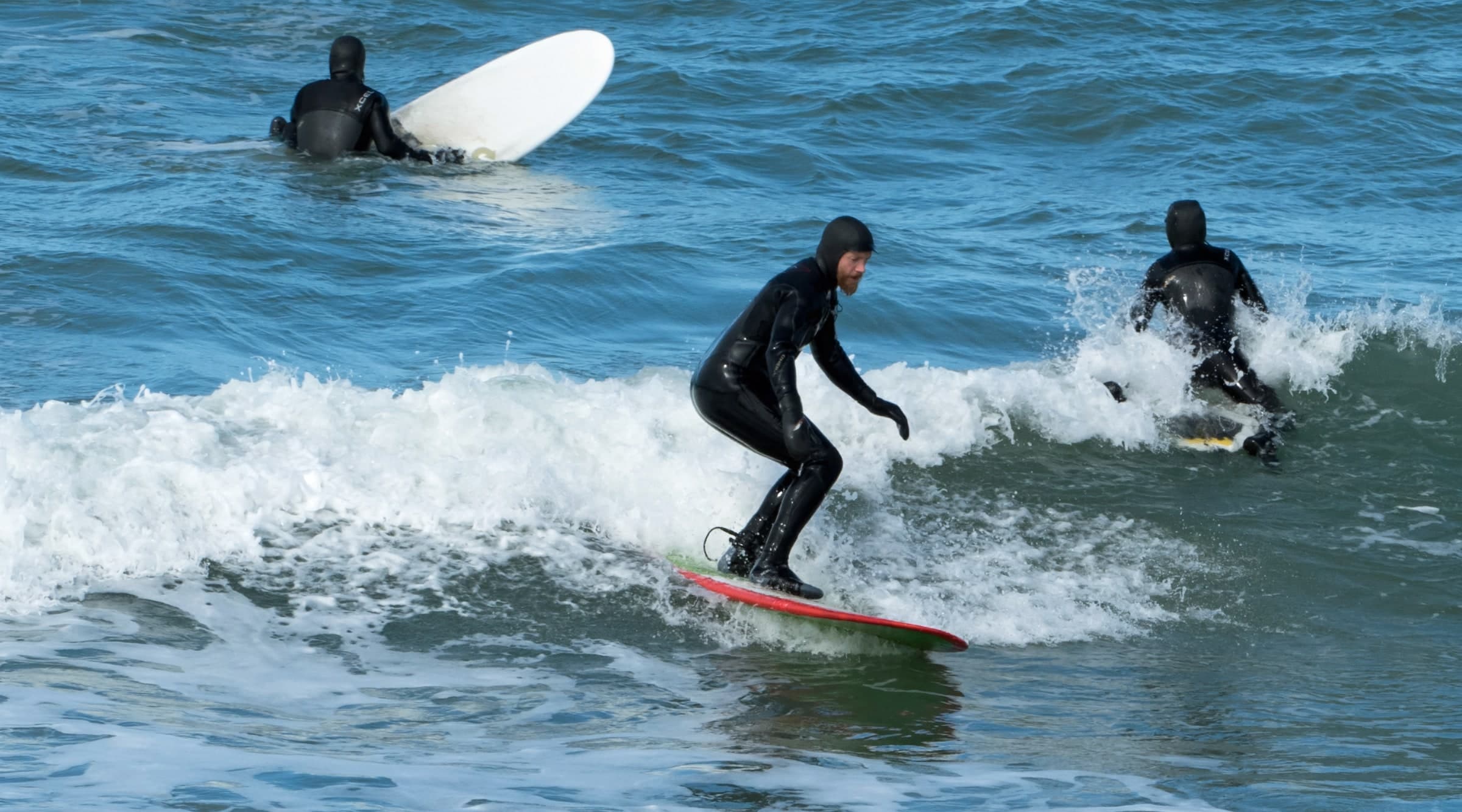
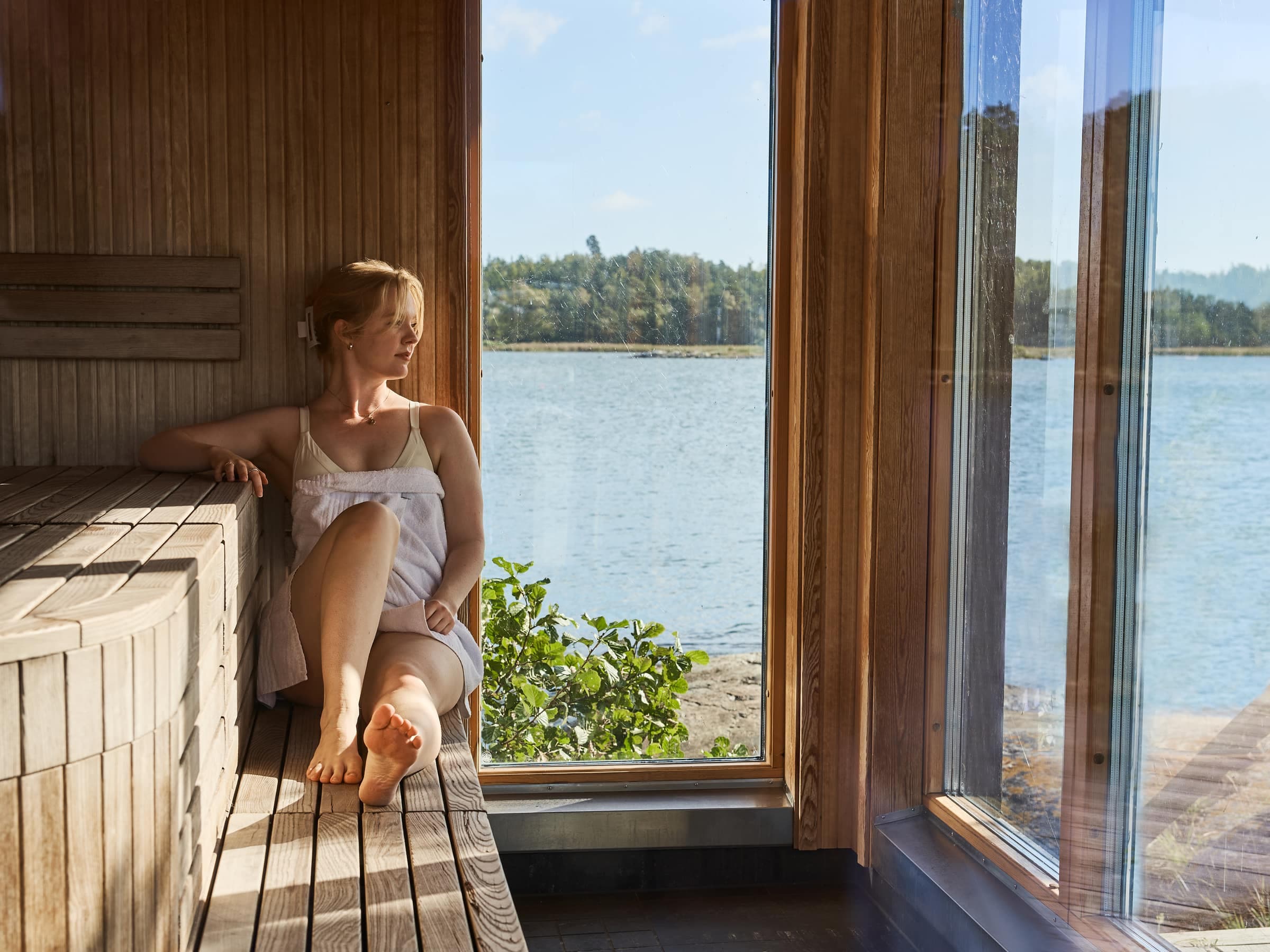
Höganäs is less picturesque than the fishing villages but convenient, with more choice of food and lodging and direct buses to Mölle and Jonstorp. Walk the shore promenade, take a dip at Kvickbadet, the town beach by the marina, or browse the potters' studios. Yearly events include the ceramics days (Keramikdagarna), a culture night and seasonal markets.